
Rain Gutter Installation in Saratoga NY and Rutland VT: Protecting Your Home From Water Damage
What Homeowners Should Know Before Installing New Rain Gutters

A properly installed rain gutter system does much more than direct water away from your roof. It helps protect your siding, foundation, landscaping, windows, and other parts of your property from excessive moisture. When gutters are damaged, poorly positioned, or incorrectly installed, rainwater can collect around the foundation or run down exterior walls, potentially leading to expensive repairs.
For homeowners looking for rain gutter installation in Saratoga, NY, or rain gutter installation in Rutland, VT, choosing the right gutter system and having it installed correctly can make a significant difference in long-term property maintenance.
Why Proper Rain Gutter Installation Matters
Rainwater naturally runs off a sloped roof. Without an effective gutter system, that water can fall directly beside the foundation or splash against exterior surfaces.
A professionally planned gutter system collects roof runoff and directs it to suitable discharge points. Proper installation also considers roof size, gutter placement, slope, downspout positioning, and the amount of rainfall the system must handle.
Poorly installed gutters may develop problems such as:
- Standing water inside the gutter
- Overflow during heavy rain
- Loose or sagging sections
- Leaking joints
- Water collecting near the foundation
- Damage to fascia boards
- Soil erosion around the property
- Ice-related problems during colder weather
These issues are why gutter installation should be treated as part of the property's overall water-management system rather than simply an exterior upgrade.
Rain Gutter Installation in Saratoga, NY
Homes and buildings in Saratoga, NY can experience changing weather conditions throughout the year. A gutter system needs to handle regular rainfall while also being suitable for seasonal temperature changes.
When planning rain gutter installation in Saratoga, NY, property owners should consider the size and pitch of the roof, the number of downspouts required, and where water will be discharged.
A gutter professional can assess the existing roofline and determine an appropriate layout instead of relying on a one-size-fits-all approach.
Choosing the Right Gutter Size
The correct gutter size depends partly on the roof area and the amount of water that needs to be collected. Larger roof sections may require additional capacity or strategically positioned downspouts.
Using gutters that are too small can increase the likelihood of overflow during heavy rainfall. On the other hand, the system should still be proportionate to the property's design and drainage requirements.
Rain Gutter Installation in Rutland, VT
For properties requiring rain gutter installation in Rutland, VT, seasonal weather should also be considered during the planning process.
Cold temperatures, snow, ice, and repeated freeze-thaw cycles can place additional stress on exterior drainage systems. Gutters and downspouts therefore need to be securely attached and installed with appropriate water flow and drainage in mind.
A good installation should address both everyday rainwater management and the conditions the system may encounter during colder months.
Important Factors Before Installing New Gutters
Before selecting a gutter system, it is useful to evaluate several parts of the property.
1. Roof Size and Design
The roof determines how much water can enter the gutter system. Complex rooflines may also require additional sections, outlets, or downspouts.
2. Gutter Slope
Gutters need a slight slope so that water moves toward the downspouts. If the slope is incorrect, water may remain inside the gutter rather than draining efficiently.
3. Downspout Placement
Downspouts should be positioned where they can move water away from the building effectively. Simply installing a downspout is not enough if the discharge point allows water to accumulate near the foundation.
4. Fascia and Roof Edge Condition
Before installation, the supporting areas should be inspected. Rot, deterioration, or damage around the fascia can affect how securely gutters can be attached.
5. Existing Drainage
A new gutter system should work with the property's existing drainage arrangements. Extensions, splash blocks, or other drainage solutions may be appropriate depending on the site.
What Materials Are Used for Rain Gutters?
Rain gutters are available in several materials and finishes. Common choices include aluminium, steel, copper, and vinyl.
- Aluminium is widely used because it is relatively lightweight, corrosion-resistant, and available in many colors.
- Steel can provide strength and durability, although the specific finish and maintenance requirements should be considered.
- Copper offers a distinctive appearance and can be a long-lasting option, but it generally costs more than common gutter materials.
- Vinyl can be economical and lightweight, although its performance can vary depending on climate, installation quality, and product construction.
The best choice depends on the property's design, budget, expected weather exposure, and the homeowner's maintenance preferences.
Seamless Gutters vs. Sectional Gutters
Homeowners may also need to choose between seamless and sectional gutter systems.
Sectional gutters are manufactured in standard lengths and joined together during installation. Each joint creates another potential location for leakage over time.
Seamless gutters are typically formed to the required length at the property, reducing the number of seams along long gutter runs. They can provide a clean appearance and may reduce potential leak points.
However, the material and installation quality still matter. A seamless system is not automatically effective if it is improperly sloped, supported, or connected to downspouts.
Signs That Your Existing Gutters Need Attention
If your current gutters show any of the following signs, an inspection may be worthwhile:
- Gutters pulling away from the roof
- Visible cracks or holes
- Frequent overflow
- Water stains below the gutters
- Sagging sections
- Rust or significant corrosion
- Downspouts that frequently clog
- Water pooling close to the foundation
- Damaged or deteriorating fascia
- Gutters that remain full after rainfall
Some problems can be repaired, while severely damaged or incorrectly sized systems may be better candidates for replacement.
What to Expect During a Professional Gutter Installation
A typical installation begins with an assessment of the property's roofline and existing drainage.
The installer may evaluate:
- Roof dimensions and drainage points
- Existing fascia and attachment areas
- Required gutter lengths
- Downspout locations
- Water-discharge points
- Appropriate gutter material and size
- Potential obstacles around the building
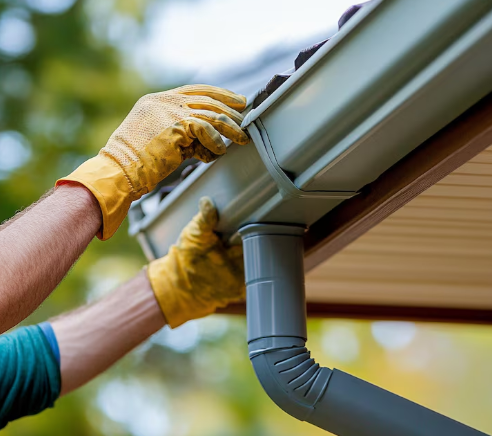
After the layout is established, the gutter sections and downspouts can be installed and secured. The system should then be checked to ensure that water flows properly toward the designated outlets.
A quality installation is about more than making the gutters look straight. The system needs to function correctly when the roof is carrying a significant amount of rainwater.
How to Choose a Gutter Installation Company
Whether you need rain gutter installation in Saratoga, NY, or Rutland, VT, it is worth asking a contractor a few practical questions before hiring them.
Consider asking:
- How much experience do you have with gutter installations?
- Will you inspect the fascia before installation?
- What gutter size and material do you recommend?
- How will you determine downspout locations?
- Where will the downspouts discharge water?
- Do you provide a written estimate?
- What workmanship warranty, if any, is provided?
- Are you properly insured and licensed where required?
- Will the installation comply with applicable local requirements?
A reputable contractor should be willing to explain the recommended system and why it is appropriate for the property rather than simply quoting a price.
Gutter Installation Is Part of Long-Term Home Maintenance
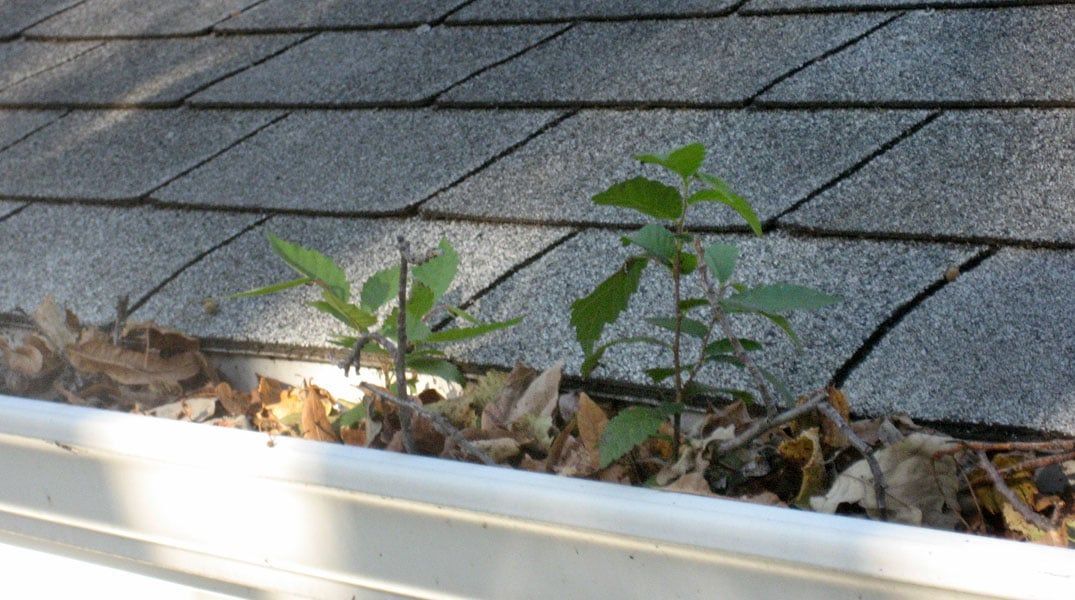
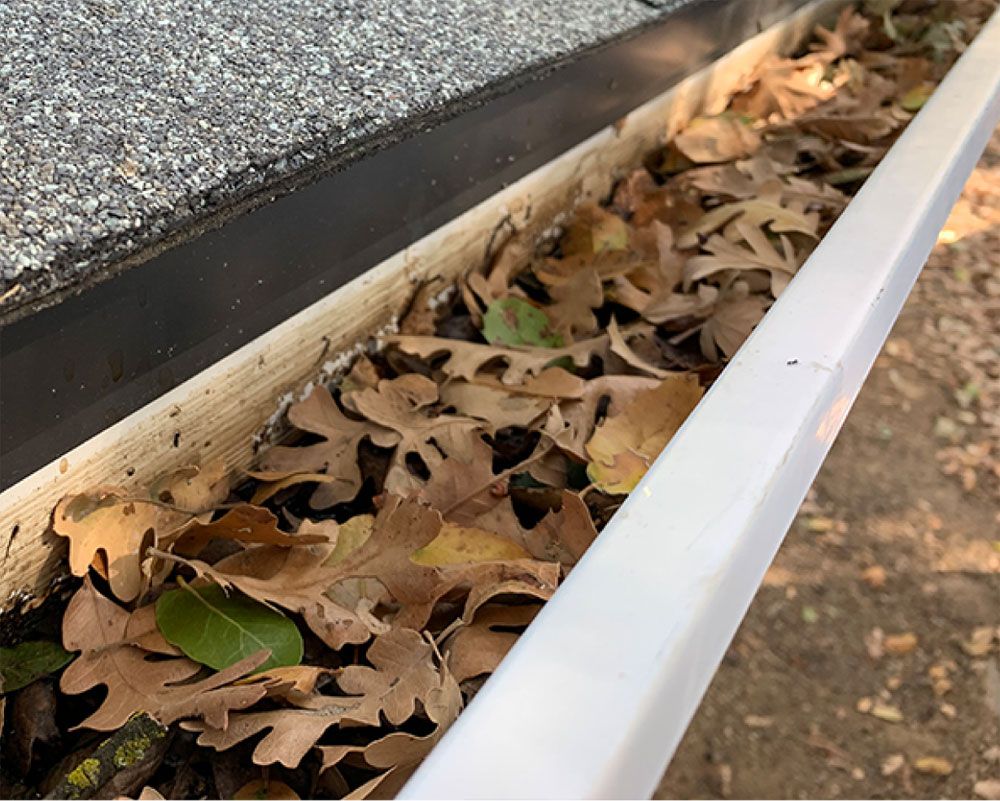
Even a well-installed gutter system requires maintenance. Leaves, twigs, dirt, and other debris can restrict water flow. Downspouts can also become blocked.
Regular inspection and cleaning can help identify small issues before they become larger problems. Homeowners should also look for loose fasteners, sagging sections, leaking joints, and water pooling around the building after storms.
Properties surrounded by trees may require more frequent gutter maintenance than homes with limited vegetation near the roofline.
Final Thoughts
A properly designed gutter system can play an important role in protecting a property from unwanted rainwater. From selecting the right gutter material to determining appropriate slopes and downspout locations, each part of the installation affects how effectively the system performs.
If you are considering rain gutter installation in Saratoga, NY, or rain gutter installation in Rutland, VT, start with a professional assessment of your property's roof and drainage needs. Comparing materials, installation methods, warranties, and written estimates can help you make an informed decision based on your property's requirements.
Most importantly, don't focus only on how the gutters look. A good gutter system should be securely installed, properly sized, and designed to move water safely away from the building.